We are structured for subcontract and teaming roles on secure-communications, photonics, and quantum-technology work: SDVOSB participation counts toward small-business and service-disabled-veteran subcontracting goals, and our licensed NASA technology position gives a team a concrete, patent-backed differentiator rather than a generic capability statement.
We engage through subcontracts, Contractor Team Arrangements, joint proposals, and SBIR/STTR partnership, including as a research-institution collaborator on STTR through our university partnership.
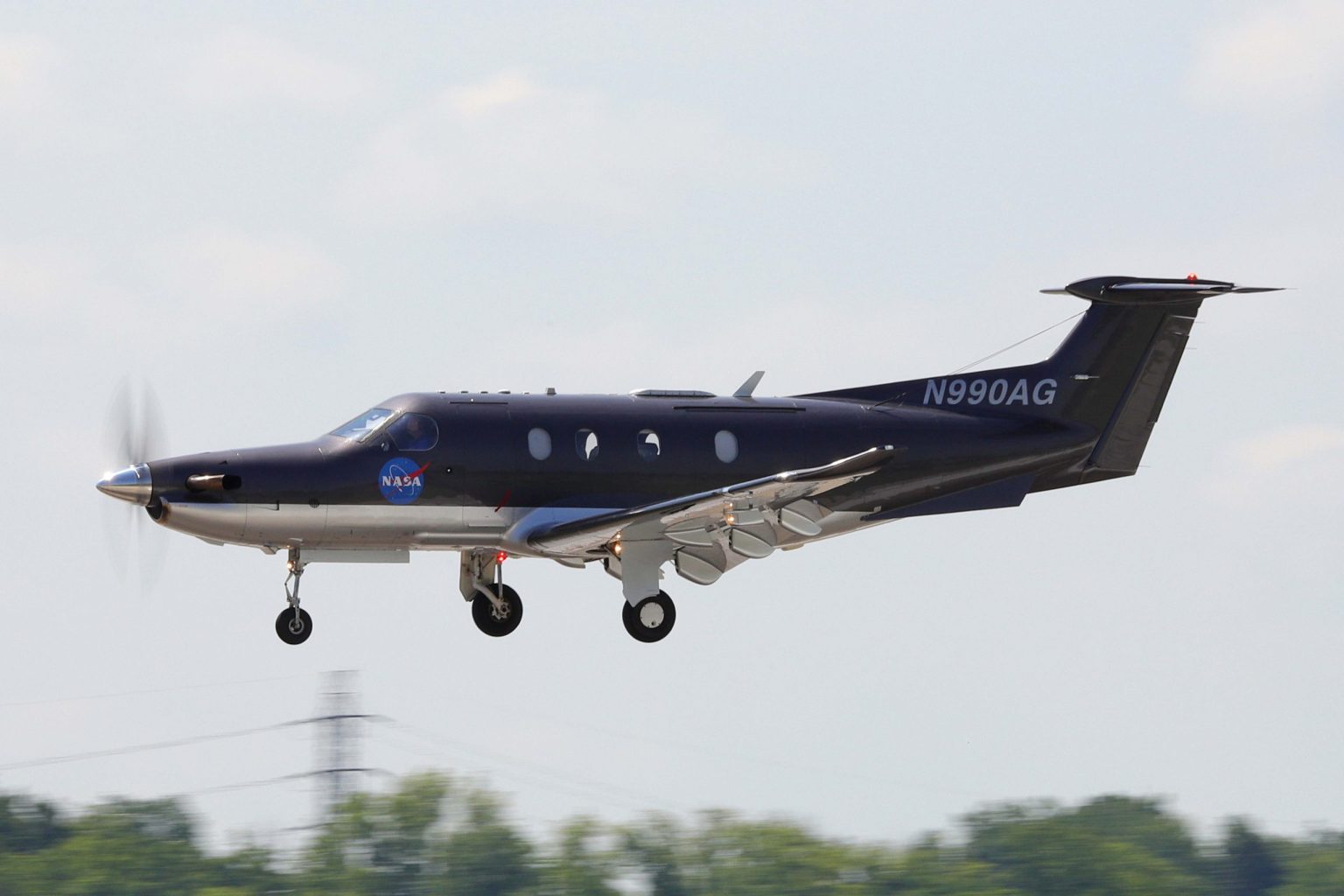
The demand is written into federal policy: NIST's post-quantum standards are final, NSA's CNSA 2.0 timeline requires national-security systems to migrate by 2033, and the Office of the National Cyber Director projects $7.1 billion in federal migration spending through 2035. Quantum key distribution addresses the physical layer of the same transition. The expensive part of our technical position, proving the optics fly, was paid for and published by NASA before we licensed it.
What an investor gets to verify: the executed NASA research license and its case files, the public patent record, NASA's published flight results, our research partnerships, and our federal registrations. Every load-bearing claim on this site traces to a document.
We share our development roadmap, licensing pathway toward commercial terms, and capital plan in diligence conversations under NDA.
Executed research license to the LEW-TOPS-163 QKD optical transceiver suite (case files LEW-19920-1, LEW-19913-1, LEW-20058-1, LEW-20224-1, LEW-20119-1), developed and flight-tested at Glenn between 2019 and 2025.
Collaboration on precision- and nano-manufacturing questions relevant to producing photonic hardware at meaningful cost and volume.
Engagement with the U.S. integrated-photonics manufacturing ecosystem for photonic-integrated-circuit design and fabrication pathways.
Research partnerships and licensing relationships do not constitute endorsement by NASA, the Department of Defense, any federal agency, or any university.
No, and we say so plainly. A NASA research license grants rights to practice the technology for research, development, and evaluation. Commercialization requires a commercial license, which is the negotiated next step on NASA's standard technology-transfer pathway. Our program is structured to reach that step with a de-risked design.
NASA rates the licensed technology at TRL 8: system complete and qualified through test and demonstration, including three flight campaigns between 2019 and 2025. What does not exist yet is a commercial production terminal built on it; closing that gap is our development program, and for our own builds we state TRL by subsystem in technical discussions.
They solve different layers. PQC replaces the mathematical assumptions in software; QKD protects key exchange at the physical layer, with security guaranteed by measurement physics rather than computational hardness. CISA/NSA/NIST guidance treats them as complements, and high-assurance systems increasingly specify both. That is why the transceiver work and the PQC research sit in one company.
Both. We are SAM-registered and eligible for SDVOSB set-asides and SBIR/STTR awards directly. In practice, early-stage photonics work is usually best executed as part of a team, so we optimize for being a low-friction sub: clean registrations and technical staff who write their own proposal sections.
Capability statement, license documentation, and technical briefings available on request.
contact@heliolink.net